
Every powerful idea has roots.
Science of Mind did not appear suddenly or in isolation. It emerged from a rich stream of spiritual insight and philosophical exploration. Many thinkers before Ernest Holmes were asking a profound question: What is the relationship between consciousness and the life we experience?
In this context, consciousness refers to the beliefs, assumptions, and patterns of thought we consistently hold. It is the inner lens through which we interpret life and respond to what happens around us.
Ernest Holmes was deeply fascinated by this relationship. He was an avid reader and a lifelong student of ideas, exploring philosophy, religion, and psychology in search of universal principles. Rather than claiming to invent something entirely new, Holmes openly acknowledged that his work stood on the shoulders of those who came before him.
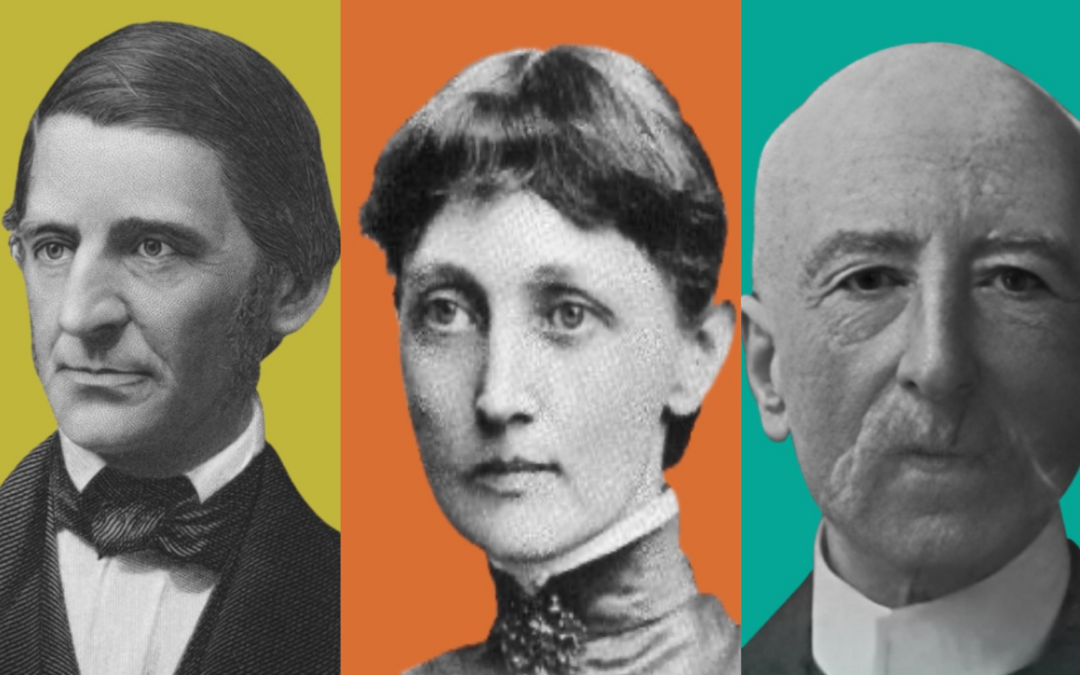
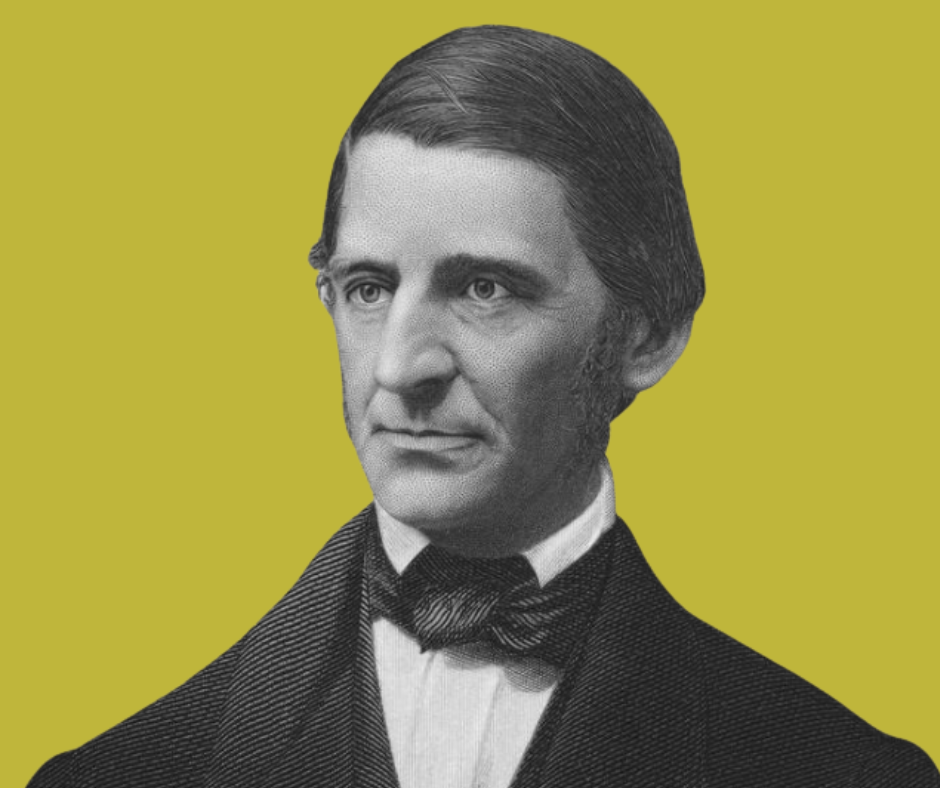
One of those influences was Ralph Waldo Emerson. Emerson encouraged people to look beyond institutions and discover the divine presence within themselves. His message was revolutionary for its time: that spiritual authority did not live outside of us, but within us.
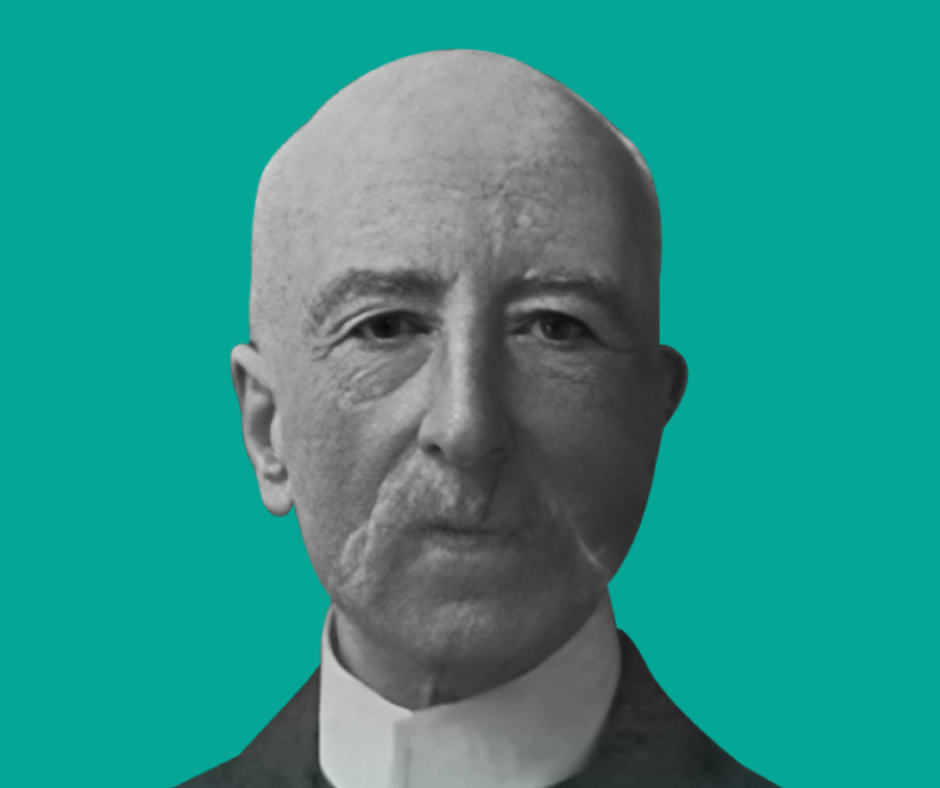
Another important influence was Thomas Troward, whose writings explored the idea that the universe operates according to consistent spiritual laws. Troward suggested that thought itself is creative—that the patterns of mind we cultivate influence the conditions of our lives. Holmes found in Troward’s work a clear and logical explanation of how spiritual principles operate.
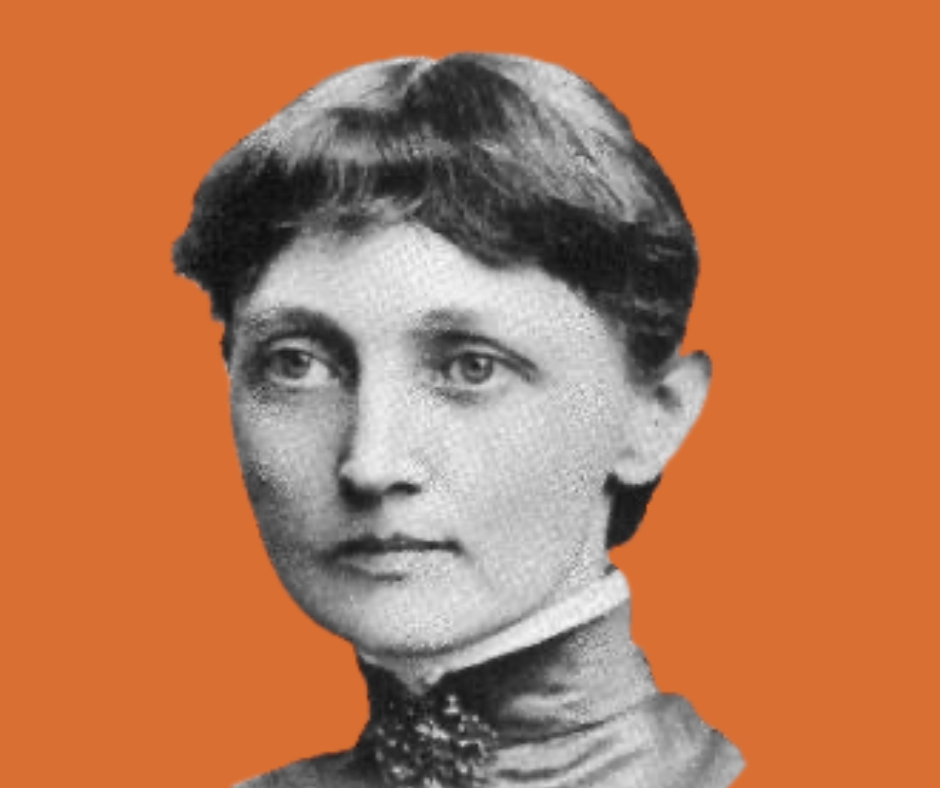
Holmes was also influenced by the remarkable teacher Emma Curtis Hopkins, often called the “Teacher of Teachers” in the New Thought movement. Hopkins emphasized the practical application of spiritual truth. She encouraged students to awaken to the divine nature within themselves and to live from that awareness in everyday life.
Drawing from these and other influences, Holmes articulated a philosophy that combined spiritual insight with practical application. Science of Mind teaches that there is a universal intelligence expressing through all life, and that our thoughts and beliefs participate in shaping our experience.
This is not about blame or magical thinking. It is about recognizing that we are not passive observers of life. We are participants in a living, creative universe.
Understanding the roots of Science of Mind reminds us that this teaching is part of a much larger spiritual conversation—one that has unfolded across generations as people have explored the nature of consciousness, spirit, and human possibility.
At the Center for Spiritual Living Palm Springs, we continue that exploration together.
Our upcoming course, Ancient Wisdom & Exploring the Roots of Science of Mind, looks more closely at these influences and how they shaped Holmes’ philosophy. Through study and discussion, participants explore both the historical foundations of the teaching and its practical relevance today.
Because when we understand where ideas come from, we understand them more deeply—and we are better able to live them intentionally.If you’re curious to explore these roots further, you can learn more about the upcoming class by clicking here.